Free guide · England and Wales
What to do when someone dies
Take the practical steps one at a time and find support for the decisions and feelings that follow.
Sources checked 2 October 2026 · General information, with links to advice for your circumstances.

Watch the guide
Narration uses an AI-generated voice. The full text is below.
Press play to listen. You can read every part below.
Read at your own pace
Part 1 of 4
Get guidance on the immediate steps
If someone has collapsed unexpectedly or you are unsure whether they are alive, call 999 and follow the call handler’s instructions. Where a death is expected, follow the care team’s agreed instructions and contact the relevant healthcare professional. At a hospital or care home, ask staff who will explain what happens next. You can ask a trusted person to be with you and help note down information.
Your next step: Write down the professional contact and the next step they have explained.
Read more: Marie Curie: what to do when someone dies · NHS: when to call 999 and when to use 111

Part 2 of 4
Follow the registration process
For deaths going through the medical examiner process, wait for that office to confirm you can register. In England and Wales, registration is normally required within five days of that confirmation, including weekends and bank holidays. If you need longer, contact the register office immediately. A death referred to a coroner can follow a different process; follow the instructions given. Ask the registrar what information and documents are needed.
Your next step: Keep the examiner’s or coroner’s contact details and the registration appointment together.
Read more: GOV.UK: what to do after someone dies

Part 3 of 4
Organise notifications and practical decisions
Ask about Tell Us Once, which can notify relevant government services. It does not notify every organisation: banks, utilities, employers and private pension providers may need separate contact. Locate any will and funeral wishes and find out who is responsible for the estate. Get advice before distributing money or possessions. Ask for written funeral costs and check whether financial help may be available before accepting commitments you cannot afford.
Your next step: Make a list of organisations, who will contact them and what has been completed.
Read more: GOV.UK: Tell Us Once and other notifications · GOV.UK: what to do after someone dies
Part 4 of 4
Make room for support
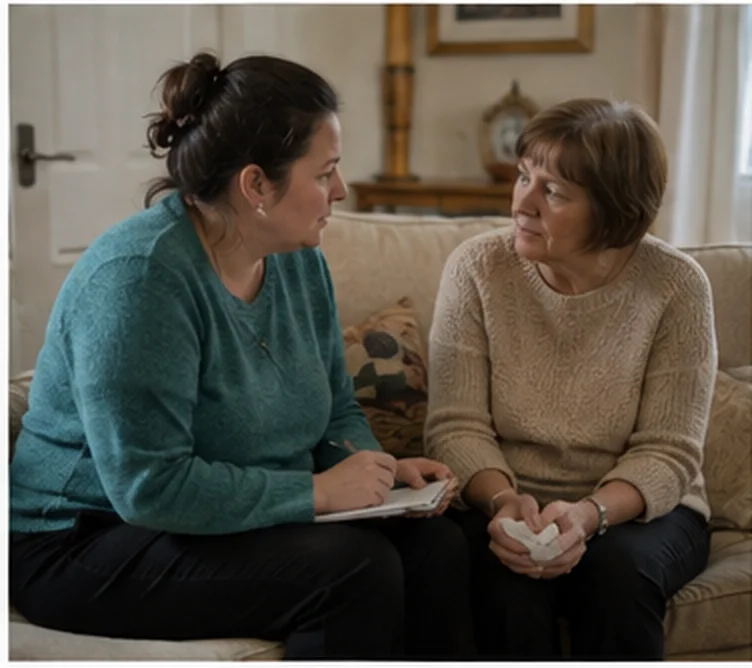
Grief can include sadness, numbness, anger, relief or guilt, and feelings can change. There is no single timetable you must follow. Break practical jobs into smaller steps and accept help where it is useful. A GP, bereavement service or trusted person can support you. If you need urgent mental health help, use NHS 111; call 999 if someone is in immediate danger. You can return to this guide when you feel ready.
Your next step: Choose one person or service you can contact when things feel too much.
Read more: NHS: help with grief after bereavement or loss · NHS: when to call 999 and when to use 111

Your next-steps checklist
Print this page, or choose “Save as PDF” in your print options. Your notes stay with you.
- Who has explained the immediate next steps?
- Has the examiner or coroner confirmed the registration route?
- What is the registration deadline or appointment?
- Who is arranging the funeral and checking costs?
- Where are the will and contact lists?
- Who is supporting me with the practical and emotional load?
My next step: ____________________________________
Who will help, and when: ____________________________
Sources and further help
Based on the published guidance below. Last checked 2 October 2026. Applies to England and Wales. These organisations have not endorsed or approved this Pheon Academy guide.
- Marie Curie: what to do when someone dies
- NHS: when to call 999 and when to use 111
- GOV.UK: what to do after someone dies
- GOV.UK: Tell Us Once and other notifications
- NHS: help with grief after bereavement or loss
For a decision about your own care, finances or legal documents, use these services to find appropriate individual advice. Official pages carry current fees, eligibility details and contact information.