Free guide · England
Coming home from hospital
Prepare for the first days at home, understand the plan and know who to contact if support falls through.
Sources checked 2 October 2026 · General information, with links to advice for your circumstances.
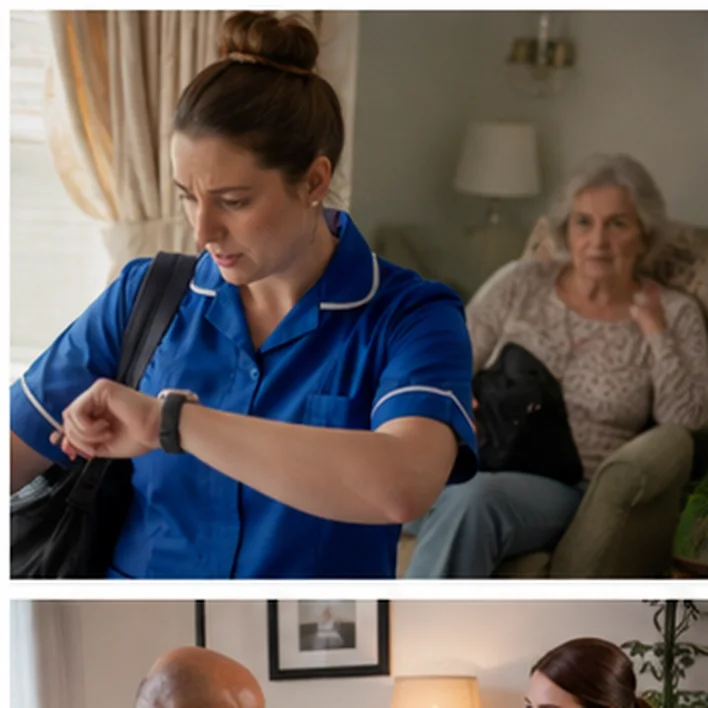
Watch the guide
Narration uses an AI-generated voice. The full text is below.
Press play to listen. You can read every part below.
Read at your own pace
Part 1 of 4
Start the conversation before discharge
Ask the ward team who is coordinating discharge and what help the person is expected to need. The person should be involved in the plan, with family or carers contributing as appropriate. Be honest about what you can provide. “I can visit after work” does not mean “I can provide care throughout the day”. If the plan seems unsafe or unclear, raise that with the team before leaving and ask how the concern will be addressed.
Your next step: Write down what you can do, what you cannot do and what remains unarranged.
Read more: NHS: being discharged from hospital

Part 2 of 4
Leave with a plan you understand
Ask for the relevant discharge information, current medicine instructions, follow-up arrangements and contact details. Clarify changes to medicines with a clinician or pharmacist; do not guess which old medicines to restart. If equipment or a medical device is needed, ask who supplies it and who will explain its safe use. Check the first care visit, access to the home, food, heating and transport. Ask the team to resolve gaps in essential support.
Your next step: Ask: “Who do we call tonight if the care visit does not happen?”
Read more: NHS: being discharged from hospital

Part 3 of 4
Ask about recovery support
Some people are offered temporary intermediate care or reablement to help recover independence. This can happen at home or in another setting, depending on needs and local arrangements. It is different from an ongoing care package. Ask whether it is appropriate, what goals are agreed and how progress will be reviewed. NHS guidance explains that this support is free for up to six weeks; it may last less than six weeks. Check what happens afterwards and whether later care has charges.
Your next step: Record the review date and who will discuss longer-term support.
Read more: NHS: care to support recovery after hospital

Part 4 of 4
Notice changes and ask for a review
During the first few days, compare the plan with what is actually happening. Can the person manage the activities the team expected? Are visits and supplies arriving? Keep brief notes and contact the named service about missing support or changing needs. For urgent medical advice use NHS 111; call 999 for a life-threatening emergency. A family member being available temporarily should not hide an ongoing gap in care.
Your next step: Agree a time to check how the first day has gone and who will follow up concerns.
Read more: NHS: care to support recovery after hospital · NHS: when to call 999 and when to use 111

Your next-steps checklist
Print this page, or choose “Save as PDF” in your print options. Your notes stay with you.
- Who coordinates discharge?
- What can the family realistically provide?
- Do we understand the medicines and follow-up plan?
- Are essential equipment and the first care visit arranged?
- Who do we contact outside office hours?
- When is the support reviewed?
My next step: ____________________________________
Who will help, and when: ____________________________
Sources and further help
Based on the published guidance below. Last checked 2 October 2026. Applies to England. These organisations have not endorsed or approved this Pheon Academy guide.
- NHS: being discharged from hospital
- NHS: care to support recovery after hospital
- NHS: when to call 999 and when to use 111
For a decision about your own care, finances or legal documents, use these services to find appropriate individual advice. Official pages carry current fees, eligibility details and contact information.