Free guide · England
Planning for the end of life
Begin gentle conversations about wishes, available support and who to contact when care needs change.
Sources checked 2 October 2026 · General information, with links to advice for your circumstances.

Watch the guide
Narration uses an AI-generated voice. The full text is below.
Press play to listen. You can read every part below.
Read at your own pace
Part 1 of 4
Let the person set the pace
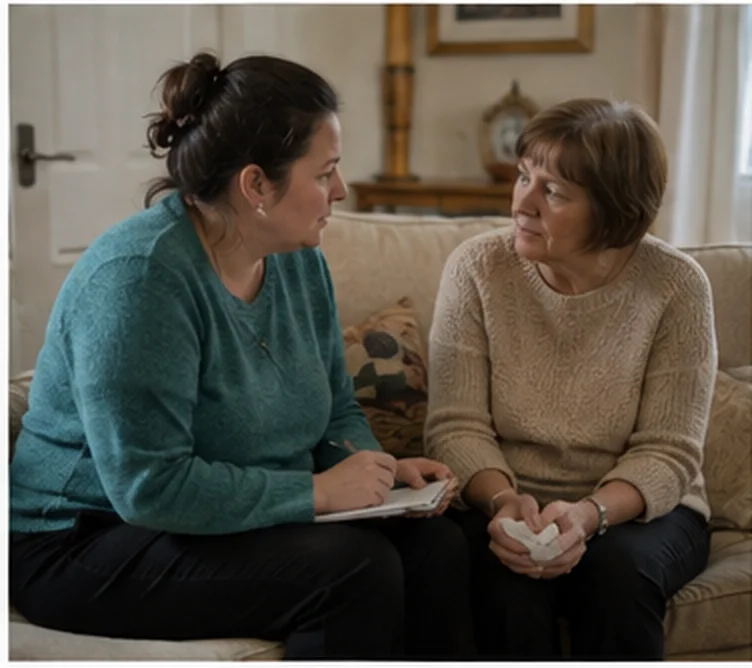
A conversation might begin with “What matters most to you if you become more unwell?” Some people want detail; others prefer smaller conversations or want someone with them. Give them room to pause. Discuss comfort, important relationships, beliefs and where they would prefer care. Write down wishes with permission and ask the care team how these can be included in the plan. Preferences guide planning, but a particular place of care cannot always be guaranteed.
Your next step: Ask whether they would like a conversation now, later or with a trusted professional.
Read more: NHS: planning ahead for end of life care · NHS: what end of life care involves

Part 2 of 4
Ask what support is available
End-of-life care aims to help people live as well as possible and receive support as they approach death. Palliative care can include symptom relief and emotional, practical or spiritual support. Ask the GP or care team who is involved, whether specialist input is needed and what help is available at home or elsewhere. Relatives can ask for support too. Clarify who coordinates the plan and who can respond outside normal hours.
Your next step: Keep one accessible contact list, including out-of-hours advice.
Read more: NHS: what end of life care involves

Part 3 of 4
Understand different ways to record wishes
An advance statement records wishes and preferences. An advance decision to refuse treatment has a different legal role and must meet the relevant requirements to apply; extra formalities apply to refusal of life-sustaining treatment. A health and welfare LPA is another distinct arrangement. Ask a clinician or suitably experienced solicitor to explain how the documents work together. Do not assume a general note or a family conversation is a legally binding treatment refusal.
Your next step: Tell the care team about existing documents and ask where copies should be held.
Read more: NHS: advance statements · NHS: advance decisions to refuse treatment · GOV.UK / Office of the Public Guardian: lasting power of attorney
Part 4 of 4
Agree a practical plan for changes
Ask the team what changes to expect, what to do if symptoms worsen and who to call if you are worried. Request clear instructions about any medicines or equipment; do not change treatment yourself. Discuss what happens if a carer becomes unavailable and how urgent help fits the person’s agreed care plan. Review the plan when wishes or needs change. You do not need to know all the answers before asking for help.
Your next step: Ask: “If we need help tonight, what exactly should we do?”
Read more: NHS: what end of life care involves · Carers UK: creating a contingency plan

Your next-steps checklist
Print this page, or choose “Save as PDF” in your print options. Your notes stay with you.
- What does the person want to discuss now?
- What wishes and beliefs matter to them?
- Who coordinates care and responds out of hours?
- Are any advance decisions or LPAs known to the team?
- Do we have clear instructions for worsening symptoms?
- What support does the family need?
My next step: ____________________________________
Who will help, and when: ____________________________
Sources and further help
Based on the published guidance below. Last checked 2 October 2026. Applies to England. These organisations have not endorsed or approved this Pheon Academy guide.
- NHS: planning ahead for end of life care
- NHS: what end of life care involves
- NHS: advance statements
- NHS: advance decisions to refuse treatment
- GOV.UK / Office of the Public Guardian: lasting power of attorney
- Carers UK: creating a contingency plan
For a decision about your own care, finances or legal documents, use these services to find appropriate individual advice. Official pages carry current fees, eligibility details and contact information.